
Speech Therapy for Children: A Complete Guide for Parents
Speech therapy for children improve their communication skills through professional evaluation, structured activities, and personalized therapy programs. Whether a child has delayed speech, difficulty pronouncing words, stammering, autism-related communication challenges, or language disorders, speech therapy can help them communicate more effectively and confidently.
At Iqrah Hearing Solutions, experienced speech-language experts provide child-focused therapy programs designed to support every child’s communication journey with care, patience, and advanced techniques.
What is Speech Therapy?

Speech therapy supports children who experience:
- Delayed speech development
- Difficulty understanding language
- Poor pronunciation
- Stammering or stuttering
- Autism-related communication issues
- Voice disorders
- Learning-related communication difficulties
The main goal of speech therapy is to help children communicate clearly and confidently in everyday situations.
Understanding Speech and Language Development

Children develop communication abilities step by step as they grow and interact with the world around them. Some children develop speech quickly, while others may need extra support. Understanding normal speech milestones helps parents recognize when therapy may be needed. Speech Therapy for Children can provide early support to improve communication skills, language development, and confidence during important stages of growth.
Speech Milestones in Early Childhood
By 1 Year
- Responds to sounds
- Recognizes familiar voices
- Says simple sounds like “mama” or “dada”
By 2 Years
- Uses basic words
- Combines two words together
- Understands simple instructions
By 3 Years
- Uses short sentences
- Speech becomes easier to understand
- Starts asking questions
By 4 to 5 Years
- Speaks clearly
- Uses longer conversations
- Communicates ideas confidently
If a child struggles significantly with these milestones, speech therapy evaluation may be beneficial.
Signs Your Child May Need Speech Therapy
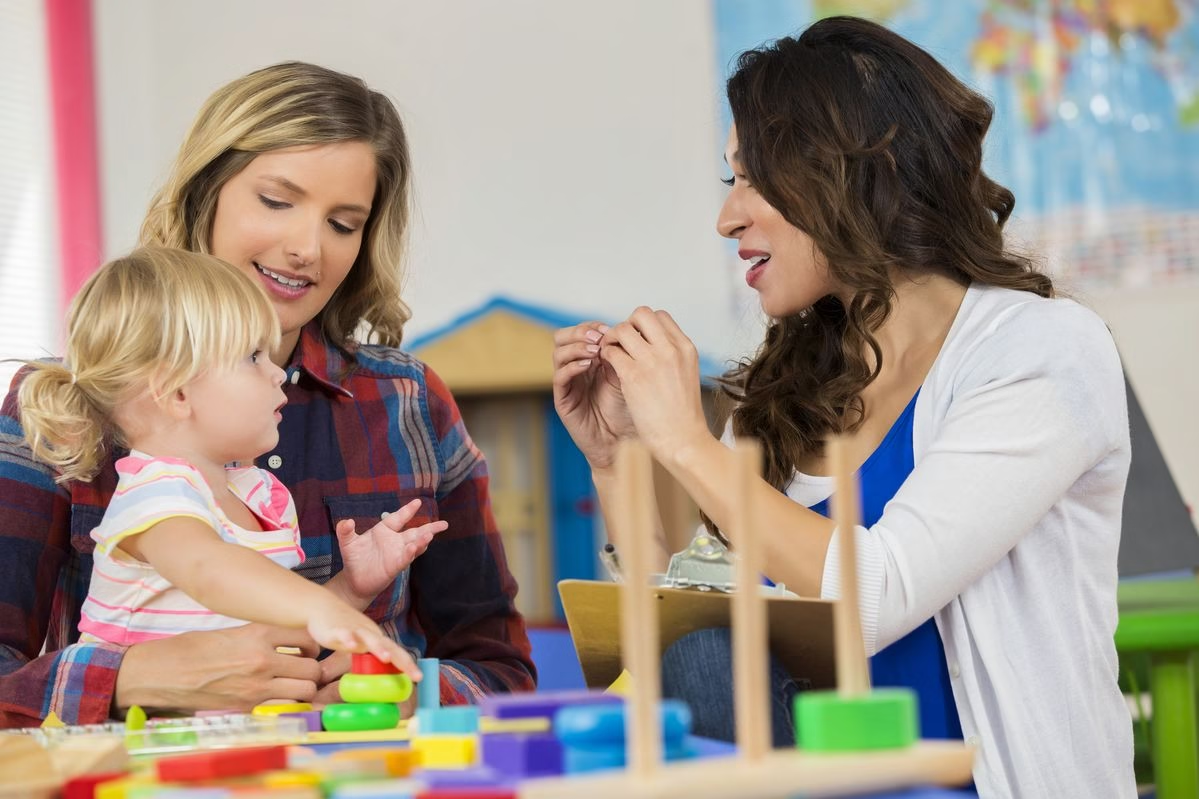
Parents often notice speech concerns before anyone else. Some common signs include:
Speech Difficulties
- Delayed talking
- Unclear speech
- Difficulty pronouncing sounds
- Repeating words or sounds
- Speaking very little for age
Language Problems
- Difficulty understanding instructions
- Trouble forming sentences
- Limited vocabulary
- Difficulty expressing thoughts
Social Communication Issues
- Avoiding conversations
- Difficulty interacting with others
- Poor eye contact
- Trouble participating in group activities
Voice or Fluency Issues
- Hoarse or nasal voice
- Stammering or stuttering
- Irregular speech rhythm
Early intervention can greatly improve communication development and overall confidence.
Common Conditions Treated with Speech Therapy
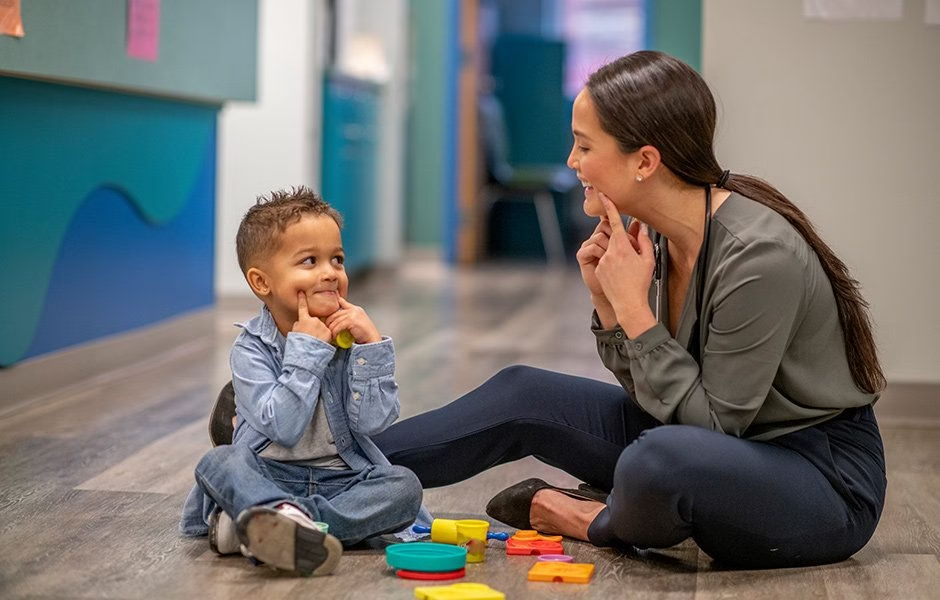
Speech therapists work with children facing different communication disorders.
Speech Delay
Speech delay occurs when a child develops speech slower than expected for their age. Some children understand language well but struggle to speak clearly or use enough words. Speech Therapy for Children helps improve speech development, word formation, pronunciation, and communication confidence through expert guidance and personalized activities.
Speech therapy helps improve:
- Vocabulary
- Sentence formation
- Communication confidence
- Speech clarity
Articulation Disorder
Children with articulation disorders have difficulty pronouncing certain sounds correctly.
Examples include:
- Saying “wed” instead of “red”
- Omitting sounds
- Replacing one sound with another
Therapists use sound exercises and speech practice techniques to improve pronunciation.
Language Disorders
Language disorders affect understanding and expression of language.
Receptive Language Disorder
Difficulty understanding spoken language.
Expressive Language Disorder
Difficulty expressing ideas and emotions using words.
Speech therapy helps improve comprehension, vocabulary, grammar, and communication.
Stammering or Stuttering
Stammering causes interruptions in speech flow, such as:
- Repeating sounds
- Prolonging words
- Speech blocks
Children may become nervous or frustrated while speaking. Therapy focuses on improving fluency and reducing communication anxiety.
Autism Spectrum Disorder (ASD)
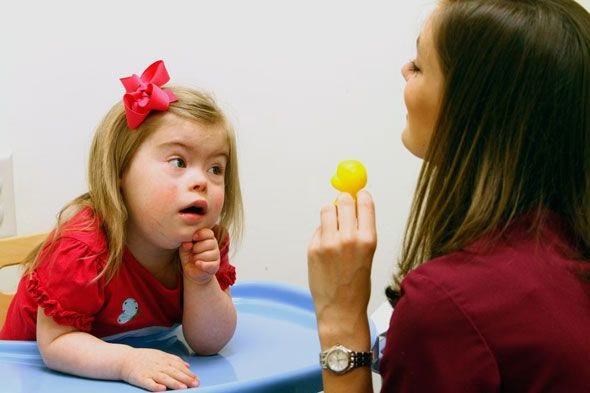
Many children with autism face challenges in communication and social interaction.
Speech therapy for autism may focus on:
- Improving verbal communication
- Social communication skills
- Eye contact and interaction
- Understanding emotions
- Alternative communication methods
Voice Disorders
Voice disorders affect voice quality, loudness, or pitch.
A child’s voice may sound:
- Hoarse
- Nasal
- Weak
- Strained
Speech therapy helps children use their voice safely and effectively.
Importance of Early Speech Therapy

Early intervention is one of the biggest factors in successful speech and language improvement. The earlier therapy begins, the better the chances of faster progress.
Benefits of Early Intervention
Speech Therapy for Children offers many important benefits for a child’s overall growth and communication development. It helps children achieve faster speech improvement, better language development, and clearer pronunciation skills. Therapy also supports improved learning ability by helping children understand and express ideas more effectively in school and daily life. In addition, children often experience better social interaction, increased self-confidence, and reduced frustration when they can communicate their thoughts and feelings more clearly with others.
Children learn communication skills more effectively during their early developmental years.
How Speech Therapy Sessions Work
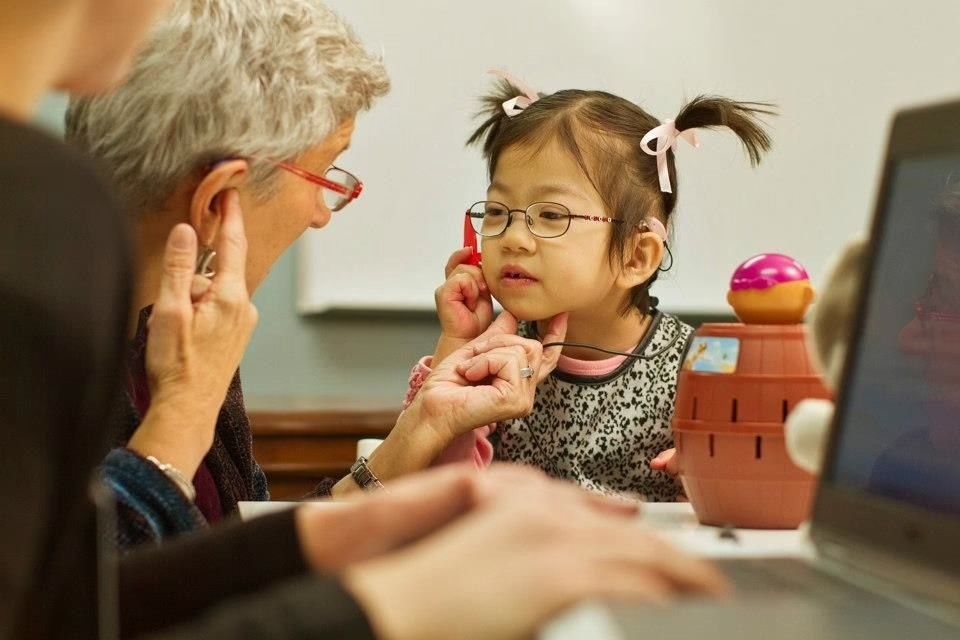
Speech therapy sessions are designed to be enjoyable, engaging, and child-friendly. Therapists use games, toys, storytelling, pictures, and interactive activities to make learning natural and fun.
Initial Assessment
The therapist first evaluates:
Parents are also asked about the child’s developmental history and concerns.
Individualized Therapy Plan
Every child receives a personalized treatment plan based on their needs and communication goals.
The therapy plan may include:
Regular Therapy Sessions
Therapy sessions may take place weekly or multiple times per week depending on the child’s condition.
Sessions may involve:
Techniques Used in Speech Therapy

Speech therapists use different approaches depending on the child’s communication challenges.
Articulation Therapy
Focuses on correct sound production and speech clarity.
Language Intervention Therapy
Improves vocabulary, sentence structure, and understanding.
Fluency Therapy
Helps children speak more smoothly and confidently.
Oral Motor Therapy
Strengthens muscles used for speech and feeding.
Social Communication Therapy
Improves conversation skills, eye contact, and interaction.
Augmentative and Alternative Communication (AAC)
Uses picture boards or communication devices for children with severe speech difficulties.
Role of Parents in Speech Therapy Success

Tips for Parents
Talk Frequently
Speak with your child regularly throughout the day.
Read Books Together
Reading improves vocabulary and language understanding.
Encourage Communication
Give children opportunities to express themselves.
Be Patient
Allow enough time for the child to respond.
Practice Therapy Activities at Home
Follow the therapist’s guidance consistently.
Limit Screen Time
Too much screen exposure can reduce communication interaction.
Positive encouragement and regular practice help children build confidence.
Fun Speech Therapy Activities at Home

Parents can support therapy through simple daily activities.
Singing Songs
Songs and rhymes improve pronunciation and listening skills.
Storytelling
Storytelling encourages imagination and sentence formation.
Naming Objects
Ask children to identify objects around the house.
Pretend Play
Role-playing games improve communication and creativity.
Mirror Practice
Children can observe mouth movements while practicing sounds.
Asking Questions
Encourage children to answer and ask questions confidently.
Speech Therapy and Academic Success

Communication skills are closely connected to learning ability. Children with speech or language difficulties may struggle in school due to:
Communication and language difficulties can also affect a child’s academic performance and classroom confidence. Children may develop poor reading skills, struggle to understand lessons, have difficulty answering questions, and participate less in classroom activities due to communication challenges. Speech Therapy for Children helps improve language understanding, communication abilities, and learning confidence, supporting better academic growth and classroom interaction.
Speech therapy supports academic growth by improving listening, speaking, and language comprehension skills.
Children often become more confident and active in classroom environments after therapy.
Emotional Impact of Speech Difficulties
Communication challenges can affect a child emotionally and socially. Some children may:
Children with speech and communication difficulties may feel shy or embarrassed while speaking, avoid conversations, become frustrated when others cannot understand them, and experience difficulty making friends or interacting socially. These challenges can affect a child’s confidence, emotional well-being, and daily activities. Speech Therapy for Children helps improve communication skills, social interaction, and self-confidence, allowing children to express themselves more comfortably and confidently. Speech therapy not only improves communication but also boosts emotional confidence and social comfort.
Myths About Speech Therapy
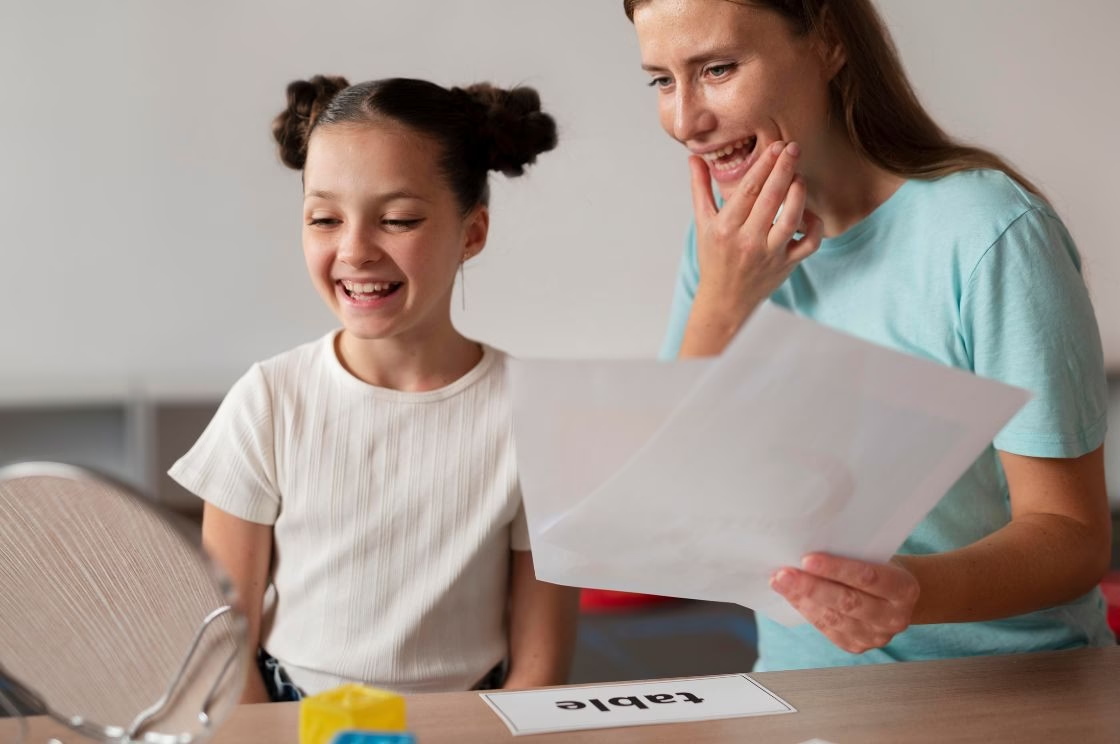
Many parents delay therapy due to common misconceptions.
“My child will eventually outgrow it.”
Some children improve naturally, but persistent delays require professional evaluation.
“Speech therapy is only for severe problems.”
Even mild speech difficulties can affect learning and confidence.
“Therapy works immediately.”
Speech improvement takes consistency, patience, and regular practice.
“Parents cannot help.”
Home practice and parental support are essential for successful therapy.
Choosing the Right Speech Therapy Canter
Selecting the right therapy canter is important for effective communication improvement.
Look for:
Choosing the right therapy canter is important for a child’s communication development and overall progress. Parents should look for qualified speech therapists, a child-friendly atmosphere, personalized therapy programs, and modern therapy methods that suit each child’s individual needs. Parent guidance, continuous support, and positive patient care also play a major role in achieving better therapy outcomes. Speech Therapy for Children becomes more effective when provided in a supportive and encouraging environment focused on the child’s confidence and communication growth.
At Iqrah Hearing Solutions, children receive compassionate and professional speech therapy services tailored to their unique communication needs. The experienced team focuses on improving speech clarity, language skills, confidence, and overall development.
How Long Does Speech Therapy Take?
The duration of therapy varies depending on:
- Child’s age
- Severity of the condition
- Type of speech disorder
- Frequency of therapy
- Consistency of practice
Some children show improvement within a few months, while others may require longer-term therapy. Regular attendance and home support can significantly improve results.
Modern Approaches in Speech Therapy
Today’s speech therapy uses advanced tools and techniques to improve engagement and outcomes.
Modern therapy methods may include:
Modern therapy sessions often include interactive learning activities, digital communication tools, sensory-based exercises, visual communication aids, and play-based therapy techniques to make learning more engaging and effective for children. These methods help improve speech clarity, language understanding, communication confidence, and social interaction skills in a fun and supportive environment. Speech Therapy for Children uses personalized and child-friendly approaches to support better communication development and overall growth
Combining professional expertise with modern technology helps children learn communication skills more effectively.
Creating a Positive Communication Environment
Children develop communication skills best in supportive environments.
Helpful Communication Tips
- Listen carefully to your child
- Encourage conversation daily
- Praise communication attempts
- Avoid criticism or pressure
- Maintain eye contact while speaking
- Create opportunities for social interaction
Positive communication experiences build confidence and motivation.
When Should You Visit a Speech Therapist?
Parents should seek professional guidance if:
Parents should consider professional support when a child’s speech development is delayed significantly or when the child is difficult to understand. Signs such as stammering, voice difficulties, social struggles caused by communication problems, and language-related challenges affecting school performance may indicate the need for early intervention. Some children may also avoid speaking situations due to lack of confidence or communication difficulties. Speech Therapy for Children can help improve speech clarity, language skills, confidence, and overall communication abilities through personalized therapy and expert guidance.
Early evaluation can identify problems quickly and begin effective intervention.
Conclusion
Speech therapy for children is an important step toward better communication, learning, confidence, and social interaction. Every child communicates differently, and some children need extra support to develop strong speech and language skills. With professional therapy, early intervention, and family involvement, children can make remarkable progress and communicate more confidently in everyday life.
Speech therapy is not only about improving speech clarity—it is about helping children express themselves, connect with others, and grow with confidence. Whether a child experiences speech delay, stammering, autism-related communication challenges, pronunciation difficulties, or language disorders, the right therapy can create life-changing improvements. Speech Therapy for Children supports better communication, stronger social interaction, improved learning abilities, and greater self-confidence, helping children succeed in everyday life.
At Iqrah Hearing Solutions, dedicated speech-language professionals provide personalized therapy solutions designed to support every child’s communication journey. Through compassionate care, modern therapy techniques, and continuous family support, children can build stronger communication skills and enjoy a brighter, more confident future.
Author :- iqrah.in